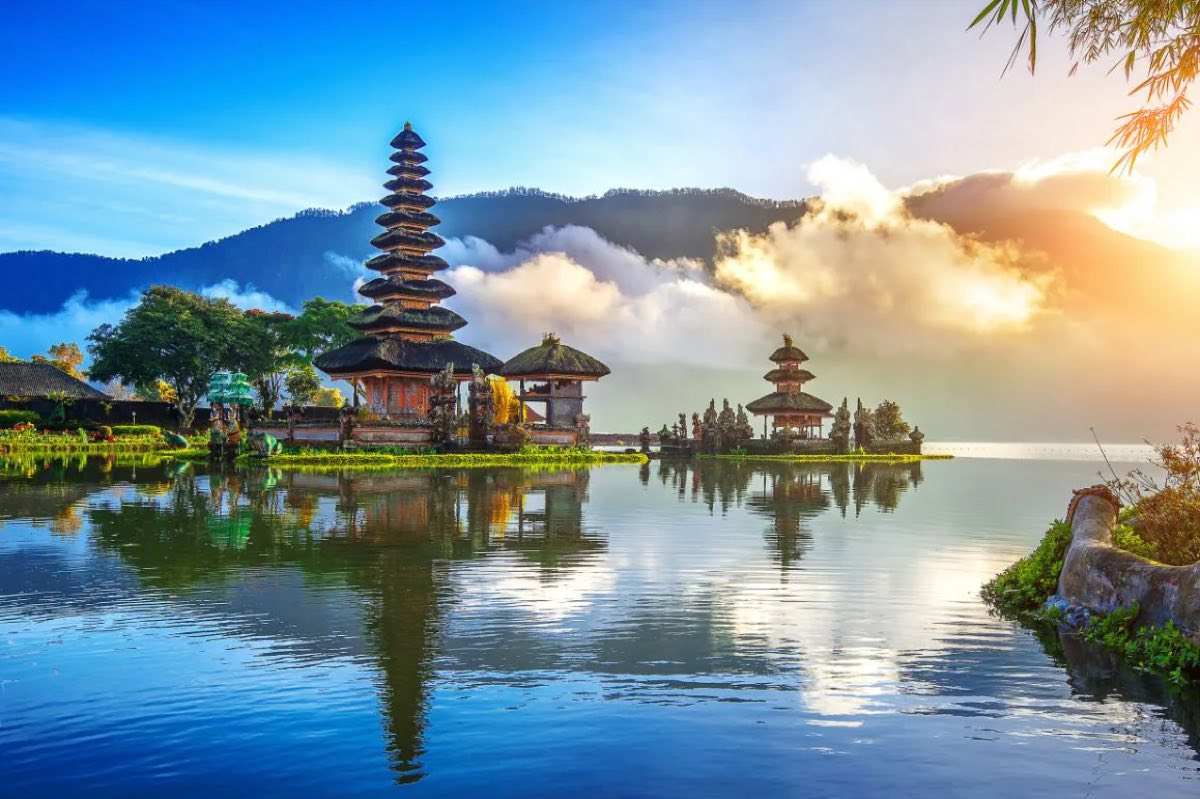
Kyoto in autumn is a study in red, gold and stillness. Here is when to go, where to walk, how long to stay and what to expect as an Indian traveller.
There is a particular hush to Kyoto in autumn. Maple leaves turn from green to amber to deep crimson, temple gardens glow in low sunlight, and the old capital of Japan feels like a painting that has been left out to dry. It is a city that rewards slow walking, early mornings and a willingness to sit still with a bowl of tea. For Indian travellers seeking a refined, culturally rich holiday, it is among the most memorable autumn destinations in Asia.
When to go
The colours move through Japan from north to south, and Kyoto generally peaks from mid-November to early December, though the exact timing shifts from year to year. Higher temple grounds on the city's northern and eastern edges tend to turn first, while gardens in the centre follow later. Plan for at least a week of flexibility around your target dates, and check seasonal foliage forecasts closer to departure rather than relying on a fixed calendar.
Days are usually crisp and comfortable, with cool mornings and evenings that call for a proper layer. Autumn is also a busy season, so book stays and any special reservations well ahead.
How many nights to spend
Five nights in Kyoto is a comfortable minimum, and six or seven lets you add a day trip to Nara or a quiet morning in the Arashiyama area without feeling rushed. Because the city rewards early starts, it is wiser to give it more nights than to add another city. Our thinking on this follows the philosophy in the art of slow travel: fewer places, better days.
Temples and gardens worth your time
Eastern Kyoto
The Higashiyama district holds a dense cluster of temples, wooden lanes and teahouses. Begin early at one of the hillside temples and walk downhill through quieter streets as the crowds build. Several temples in this area open their gardens for special autumn evening illuminations, which are atmospheric but popular, so reserve a time slot if one is required.
Northern Kyoto
Further from the centre, hillside temples set among cedar and maple offer moss gardens, small ponds and far fewer visitors. The journey itself, by local train or a short taxi ride, becomes part of the pleasure.
Arashiyama
West of the city, the river, bamboo grove and wooded hills make for an easy half-day. Go at opening time for the grove and spend the remainder of the day along the river, where maples reflect in still water.
Zen gardens
Dry gardens of raked gravel and carefully placed stones are not meant to be hurried. Sit on the veranda, stay for fifteen minutes and notice how your attention changes. This is where Kyoto's calm is most easily felt.
Tea, kaiseki and the quiet pleasures
Tea is central to the Kyoto experience. Many tea houses and cultural centres offer a guided tea ceremony in English, giving context to the ritual of whisking matcha and the sweets served alongside. Afternoon matcha with a seasonal confection, taken beside a garden, is a simple highlight of any visit.
Kyoto is also known for kaiseki, a multi-course meal built around the season. Autumn menus lean on mushrooms, chestnuts, persimmon and river fish. Vegetarian travellers should know that traditional Japanese cooking often uses fish-based stock even in dishes that look plant-based. Temple cuisine, known as shojin ryori, is a notable exception and is typically fully vegetarian, so it is worth seeking out. Always confirm dietary needs in advance and carry a short written note in Japanese.
Where to stay
Kyoto offers a wide range of stays, and the right choice depends on the experience you want.
- Traditional ryokan give you tatami rooms, futon bedding and a seasonal dinner, for at least one night of your stay.
- Restored machiya townhouses suit couples and small families who want space and a sense of old Kyoto.
- Luxury hotels near the river or the eastern hills combine modern comfort with easy access to major sights.
Staying close to a main station makes day trips easier, while a base in the eastern hills makes early temple visits effortless.
Practical tips for Indian travellers
- Check current visa requirements and processing times well before you travel, as rules change. Your concierge or the official Japanese mission can confirm what applies to you.
- Carry cash in yen as well as a card, since some smaller temples, tea houses and local restaurants prefer cash.
- Trains and buses are punctual and straightforward, but luggage space is limited, so consider the carry-on approach in our packing light guide.
- Remove shoes where asked, speak softly in temples and ask before photographing people.
- Dress in layers, as mornings can be cold and afternoons mild.
Combining Kyoto with Asia's other cultural escapes
If Kyoto inspires you to explore more of Asia's temples and traditions, consider the old northern Thai city of Chiang Mai, with its gilded monasteries and relaxed pace, or the Himalayan kingdom of Paro in Bhutan, where dzongs and prayer flags create a different kind of stillness. For wider Asian options, browse our international destinations. Asia is included on all Club Exotica membership plans, and you can read how Club Exotica membership works to see which plan fits your travel goals.
Frequently Asked Questions
When are the autumn colours at their best in Kyoto?
Typically from mid-November to early December, although timing varies each year. Check foliage forecasts before you finalise dates.
How many days do I need in Kyoto?
Five nights is a good minimum. Add one or two more if you want a day trip to Nara or a slower pace around the temples.
Is Kyoto suitable for vegetarian travellers?
Yes, with planning. Temple cuisine is traditionally vegetarian, and many restaurants can adapt dishes if informed in advance. Be aware that stock often contains fish.
Do I need a visa to visit Japan from India?
Indian passport holders generally need a visa. Requirements and procedures change, so confirm the current rules with the official authorities before booking.
If Kyoto is on your list, the Club Exotica concierge team can help you think through timing, stays and the wider journey. Speak to our concierge team whenever you are ready.

The Club Exotica concierge and editorial team shares field-tested advice from planning thousands of member holidays across 151 destinations.
Inspired? Let’s plan it together.
Speak to our concierge and turn this story into your next holiday.