Slow travel trades a crowded checklist for longer stays and deeper days. Here is how to plan an unhurried holiday that leaves you rested rather than rushed.
Most of us have returned from a holiday needing another holiday. Five cities in six days, a tour bus at seven, a suitcase repacked every night: it makes for good photographs and poor rest. Slow travel is the quiet alternative. It asks you to choose fewer places, stay in each for longer, and let the days take their own shape. For travellers who value comfort and time above ticking off sights, it is the most luxurious way to see the world.
What slow travel really means
Slow travel is not about travelling less or spending more time doing nothing. It is a change of emphasis. Instead of measuring a trip by the number of stops, you measure it by how fully you were present at each one. A week in a single hill station, with a long breakfast, an unplanned walk and an afternoon with a book, can feel richer than a fortnight spent in transit.
The idea draws on a simple observation: the best moments of a journey are rarely the scheduled ones. They are the conversation with a tea estate manager, the unexpected temple bell at dusk, the table by the window where you stayed an hour longer than planned. Those moments need slack in the itinerary to happen at all.
Why fewer places make better holidays
Transit is the hidden cost
Every change of city costs a morning, sometimes a full day, once you count checkout, transfers, waiting and check-in. Over a short trip, that adds up to a large share of your leave spent in cars and lobbies. Cutting one stop usually returns a whole day to you.
Familiarity is a pleasure
By the third morning in the same place you know which table the staff keep for you, which lane has the best bakery and how the light falls on the balcony. That ease is part of what you are paying for when you travel well. It is also the point at which you stop being a visitor and start noticing details.
Rest is part of the programme
A holiday should leave you better than it found you. Slower pacing lets sleep, food and movement settle into a natural rhythm, which is why people often say a slow trip feels twice as long as a busy one.
How to plan an unhurried itinerary
Begin with a single base and build outward. As a rough guide, allow at least four nights for a hill station or beach destination, and five to seven for a place with a lot to explore nearby. Within that window, plan only one anchor activity per day, such as a morning plantation walk, a boat ride or a visit to a fort, and leave the rest open.
- Pick one region, not one list. Choose an area such as the Kerala highlands or the lake city of Udaipur and let the surroundings fill your days.
- Travel at civilised hours. Avoid pre-dawn departures unless a sunrise is the reason you came.
- Keep one empty day. Protect at least one day in every four with no plans at all.
- Book fewer, longer stays. Two bases of four nights each beat four bases of two.
Destinations that reward a slow pace
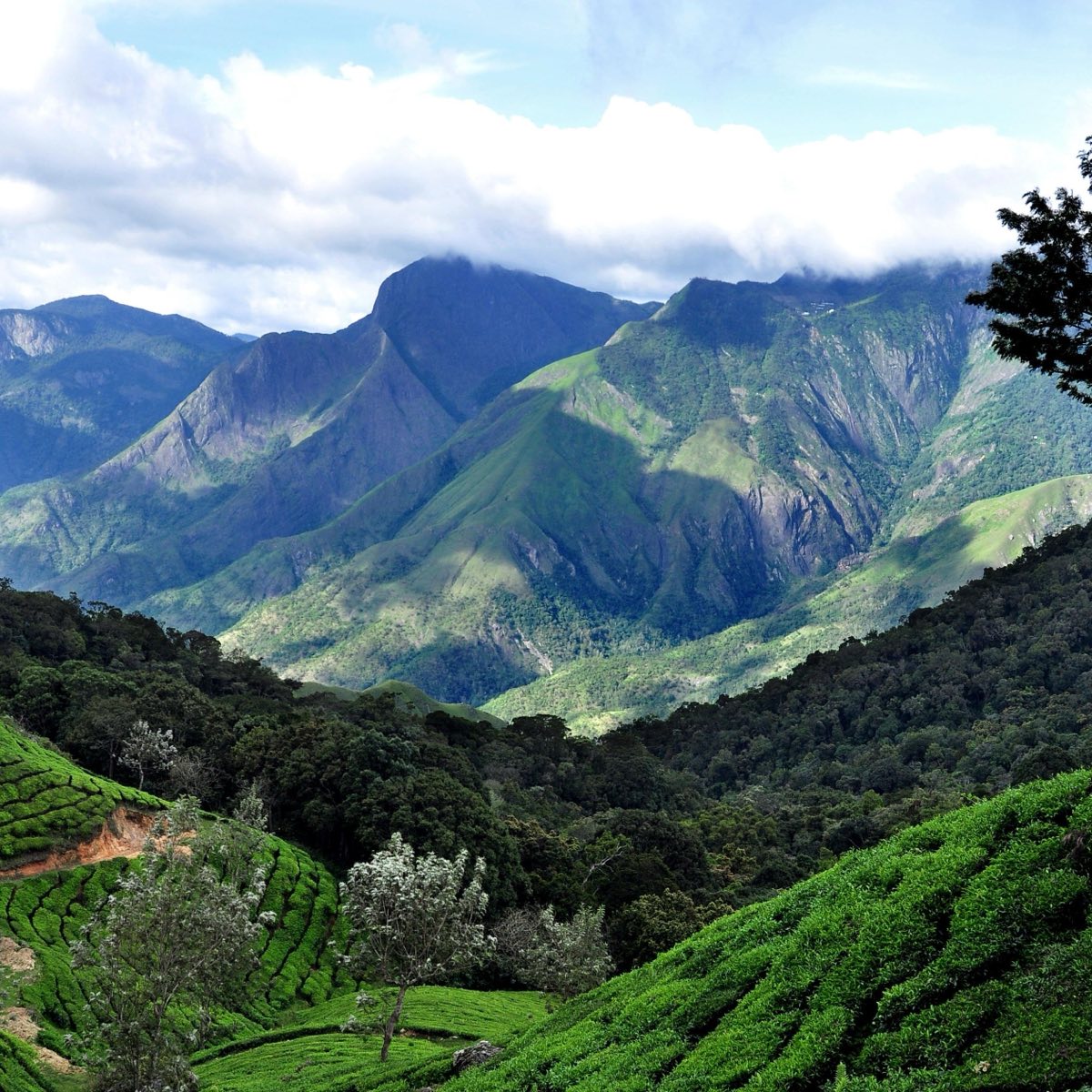
Some places are simply built for lingering. The tea-covered hills around Munnar are an obvious example: mist in the morning, cool air by afternoon and a landscape that rewards walking rather than driving. Spend several nights in the highlands before descending to the backwaters, and you will see how differently the same state feels at a gentler tempo. Our broader guide to South India collects more hill stations and coastal towns in the same spirit.
Closer to home, Udaipur suits a slow rhythm well. Mornings by the lake, an unhurried palace visit, a long lunch and a boat ride at sunset can fill a day without ever feeling busy. Many travellers from Gujarat find it a comfortable first step into slower holidays, since it is easy to reach and rich enough to occupy a long weekend or a full week.
Choosing where to stay
When you stay longer, the room matters more. Look for a property or villa where you would happily spend a rainy afternoon, not only one that photographs well. Useful questions to ask include whether there is a quiet place to read, whether meals can be taken at flexible hours, and whether the surroundings invite short walks.
- Heritage and boutique stays offer character and local texture, and are ideal for cities and palace towns.
- Resorts with generous grounds suit travellers who want to switch off completely.
- Private villas and serviced residences give families and groups space to set their own pace.
- Plantation and estate stays connect you with the working landscape around you.
Packing and planning for a slower trip
Slow travel and light luggage go together. Fewer transfers mean fewer reasons to carry more than you need, and a smaller bag makes every arrival easier. If you would like practical methods for this, read our guide to packing light with the carry-on method. Membership can also support the slower approach, since a prepaid holiday plan removes the pressure to squeeze everything into one trip. You can learn how this works in our explanation of holiday memberships.
If you are travelling from Gujarat, a concierge can help you design a base-first itinerary around your dates and the pace you prefer. Our holiday packages from Ahmedabad page is a useful starting point.
Frequently Asked Questions
How many nights should I spend in one place?
Four nights is a sensible minimum for a hill station or beach, because it gives you two full days after arrival and before departure. Five to seven nights suits destinations with more to explore nearby.
Is slow travel more expensive?
Not necessarily. Fewer transfers and internal flights often offset the cost of staying longer, and you tend to spend less on rushed meals and last-minute arrangements. The real saving is in energy and enjoyment.
Can slow travel work with children or parents?
Very well. A single comfortable base spares children and older relatives repeated packing and long drives, and it lets everyone choose their own activities each day.
Does slow travel suit a short break?
Yes. Even a three-night weekend improves when you commit to one place and resist adding a second stop.
If you would like help shaping a slower holiday, the Club Exotica concierge team will gladly plan a single-base itinerary around your preferences. Get in touch with our concierge to begin.

The Club Exotica concierge and editorial team shares field-tested advice from planning thousands of member holidays across 151 destinations.
Inspired? Let’s plan it together.
Speak to our concierge and turn this story into your next holiday.